
Lorenzo Biscontin
Last week, I came across a post on my Facebook feed that read “Feral Drinks: natural, alcohol-free beverages.” Natural + no alcohol, two of the biggest trends in wine. Enough to prompt me to check out their website.
I discovered that these aren’t de-alcoholized wines, but rather beverages made through lactic fermentation. Something I’d already heard about from a French producer last year at Wine Paris, without having had the chance to taste the products, leaving me with a series of microbiological questions.
More than enough to make me want to delve deeper, so after a quick email exchange, I’m chatting via Zoom with Maddalena Zanoni, the company’s founder, who stopped her car to give this interview while she was commuting from one meeting to another.
Good morning, Maddalena. What is Feral Drinks?
Feral Drinks is a Trentino-based startup that produces non-alcoholic botanical beverages with the goal of celebrating flavor and pairing food with something different from traditional wine.
These aren’t simple infusions or teas, but adult beverages that combine acidity and body—the latter, an element that’s difficult to find in de-alcoholized wines without resorting to significant sugar additions.
What are your products?
We currently produce five beverages, simply named No. 1, 2, 3, 4, and 5, underscoring the ongoing research that has led us to find the perfect formulation for each.
No. 1 is a white beverage made from fermented white beet juice, combined with hop and chili extract, sugar, malic acid, and natural Szechuan pepper flavoring. Its taste is citrusy and fresh and pairs well with vegetables, fish, and poultry.
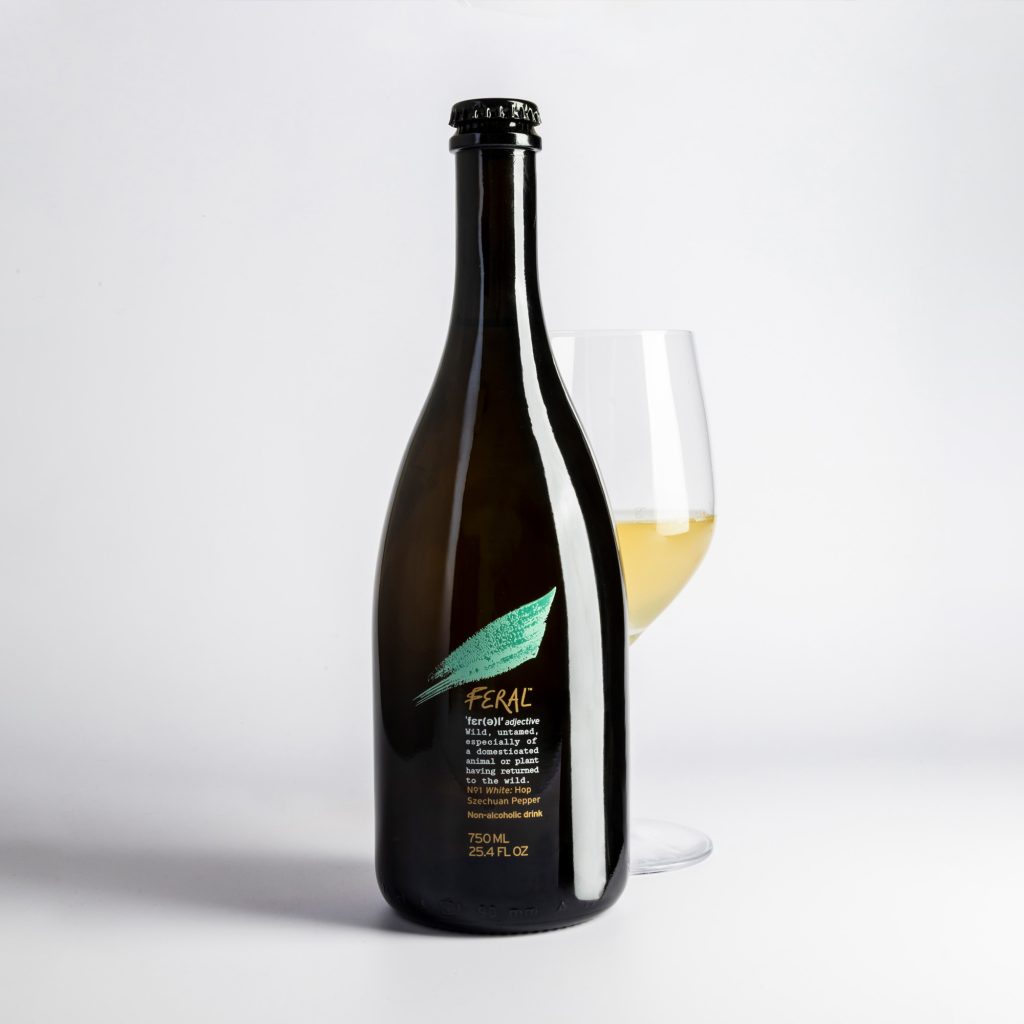
No. 2 is a white beverage made from fermented white and red beet juice, combined with ginger extract, clove pepper, juniper berries, sugar, malic acid, and apple and safflower concentrate. Its flavor is spicy and warm and pairs well with umami and spicy dishes and chocolate.
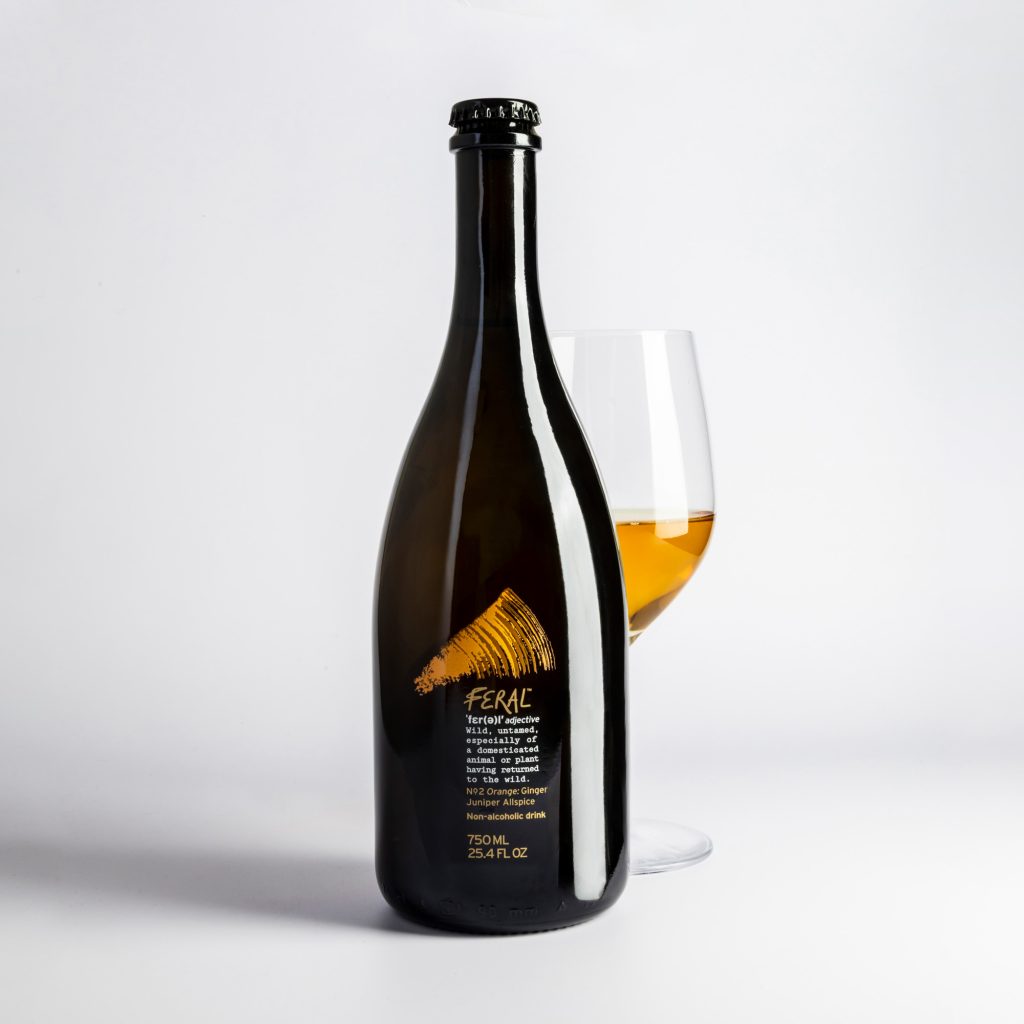
No. 3 is a dark red beverage made from fermented red beet juice and wild blueberry juice, combined with black pepper extract, thyme, oak, and chili pepper. Its notes are peppery, herbaceous, toasted, and tannic, and it pairs well with savory and smoked dishes, game, and aged cheeses.
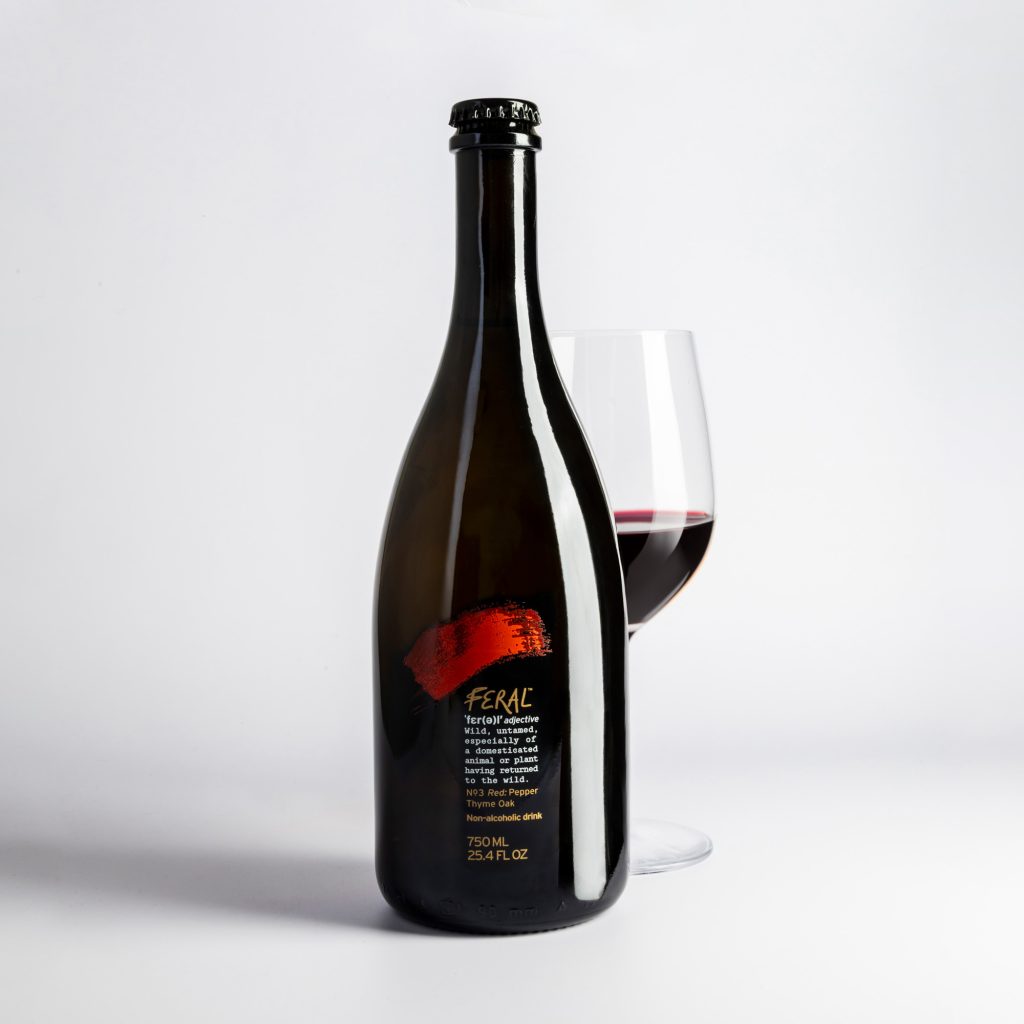
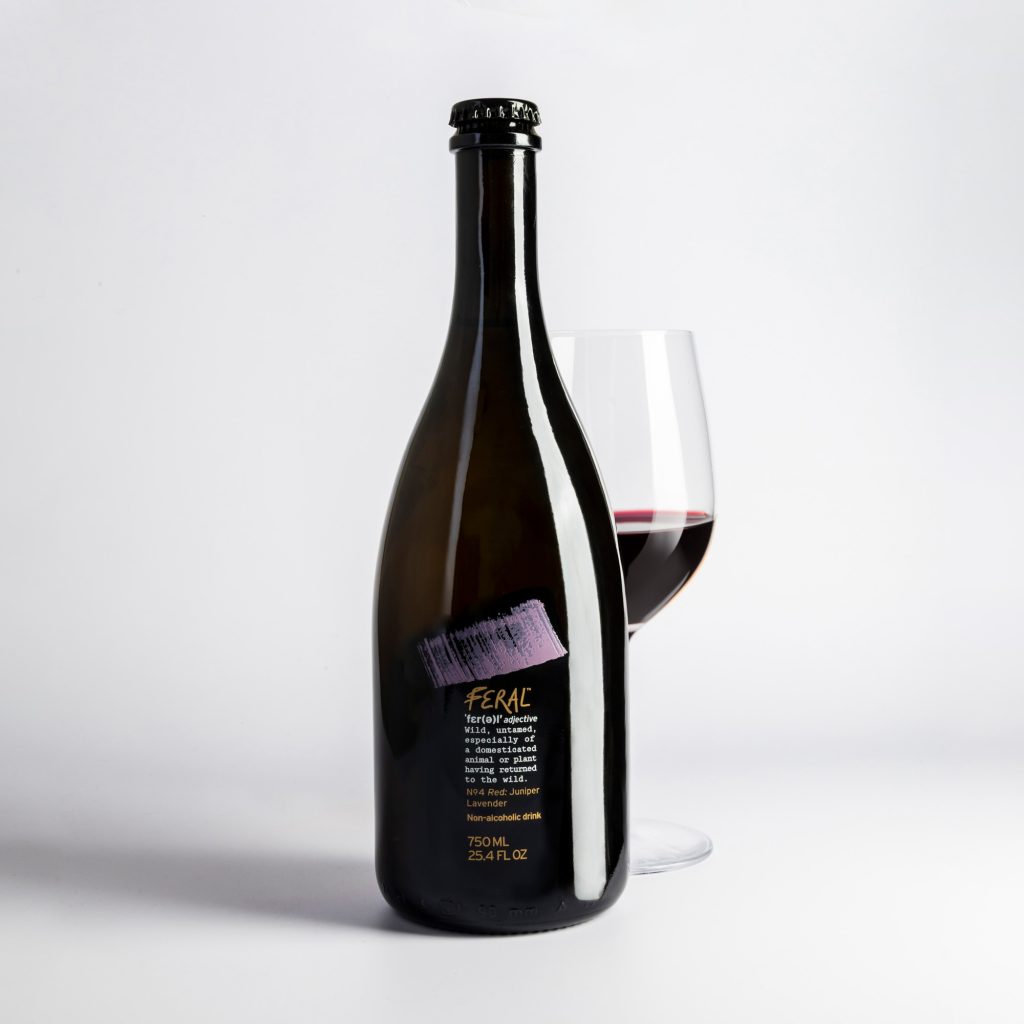
No. 4 is a dark red beverage made from fermented red beet juice and wild blueberry juice, combined with juniper berry extract, lavender, and chili pepper. Its flavor is harmonious and floral and pairs well with risotto, blue fish, and cured meats.
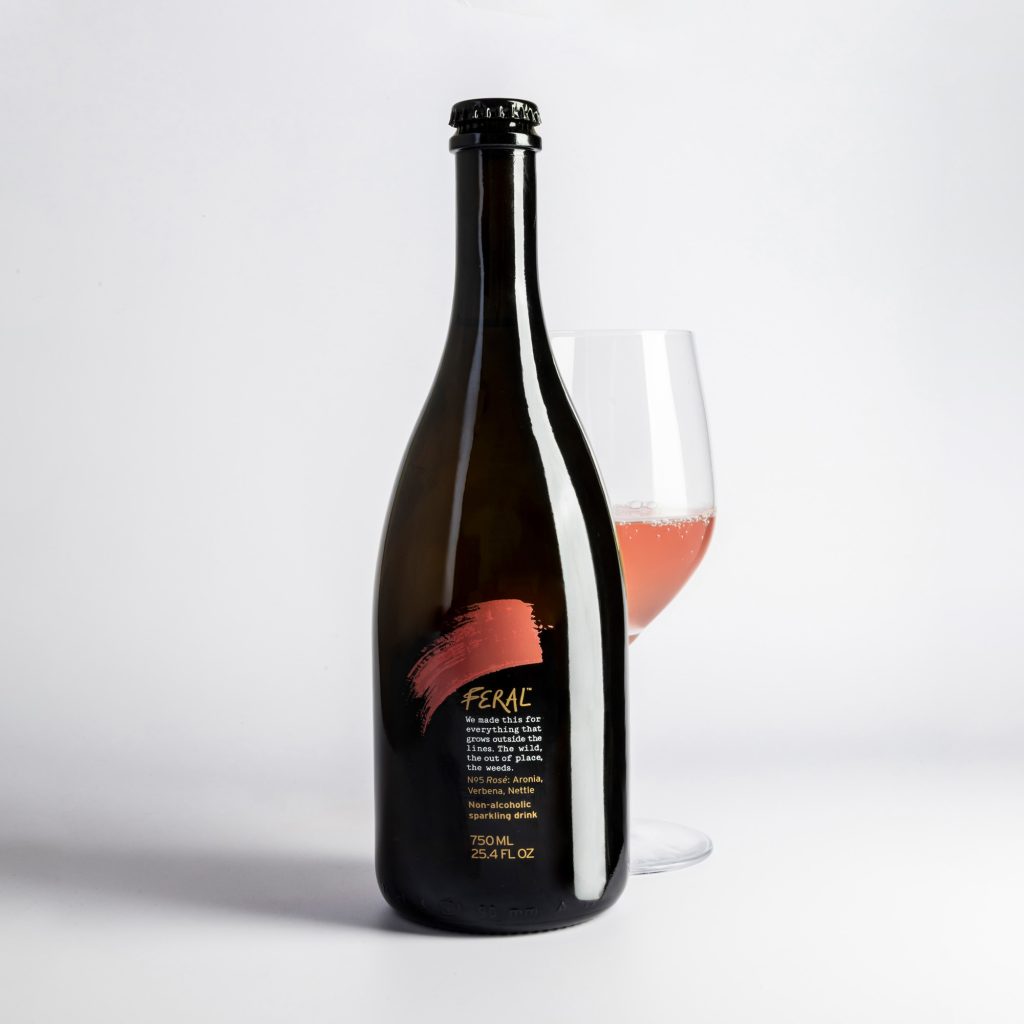
N.5 is a rosé and a pet-nat than differs from the others because it is produced using yeasts instead of lactic acid bacteria and is slightly sparkling (frizzante). The ingredients are birch sap combined with an extract of verbena, yarrow, nettle, and horseradish, as well as aronia juice.
All beverages, with the exception of N.5, are produced using exclusively certified organic ingredients.
How does your production process work?
To formulate the first product, it took two years of testing, from the initial trials using a Thermomix, a Roner, and the refrigerator to the first actual production run.
We have always had two very clear objectives: one starting point and one finishing point.
The starting point was to have a normally underrated plant as the main ingredient of each beverage.
The finishing point was to create a beverage that was satisfying in every aspect of the drinking experience: aromatic and tactile. Therefore, we also paid attention to the sensory aspects of acidity and fullness, roundness, of the beverage on the palate.
In doing so, we selected four different strains of lactic acid bacteria, each of which contributes specific and distinct elements to the final product profile.
Starting from this base, we then identified the other ingredients that allowed us to achieve the desired final profile. For example, wild blueberry juice enriches the acidity, or pepper extract adds a hint of warmth.
The residual sugar content in our beverages ranges from 3% to 4%, with the exception of No. 5, where it is 0%, while there is a very light alcohol content: 0.3%, thus below the legal limit of 0.5% for declaring a beverage “alcohol-free.” Total acidity ranges between 3 and 8 g/l, depending on the beverage.
The tests also helped us obtain beverages that are chemically, physically, and microbiologically stable.
After production, the beverages rest for a few weeks to allow the solids to precipitate and undergo cold clarification. After bottling, we flash pasteurize to ensure health. This is an aspect we pay particular attention to because we know that some of our consumers are pregnant women or people who cannot drink alcohol for health reasons.
The shelf life of our beverages is currently 18 months, and we test all production batches every three months to verify their chemical, physical, microbiological, and organoleptic integrity. It’s an ongoing product development process.
How has the market responded?
Very good: we began marketing in 2023 and will close 2025 with a turnover of over €1,000,000.
Initially, we targeted restaurants and received great interest from Michelin-starred restaurants; I’d almost call it a necessity, because there were situations where they produced similar beverages in-house, requiring a large staff commitment and all the operational challenges of an entirely artisanal production.
For these restaurants, there’s a need to offer a high-quality overall gastronomic experience even to those who don’t drink wine. This need for inclusion undoubtedly began with Noma Copenhagen.
Mid-level restaurants in Italy, however, aren’t interested in this type of beverage, while we’ve quickly developed a customer base in this channel in the Netherlands and Belgium.
Restaurants account for 50% of our revenue. The other 50% comes from direct sales through our website e-shop.
Regarding consumer sales, interest was initially greater in Northern Europe, but in the last year, Italy has literally exploded.Today, Italy has become our largest market, accounting for 40% of our revenue. The other 60% is generated in around 20 countries, primarily Germany, the Netherlands, Belgium, and the United Kingdom.